A watch is a signal to prepare; a warning calls for immediate protective action. Check the official alert for your location and its time, rather than relying on a trending search or an old screenshot.
A tornado watch means tornadoes are possible in or near the designated area. It is a signal to prepare, check how you will receive warnings and identify where you would shelter. A tornado warning is more urgent: the National Weather Service says a tornado has been reported or indicated by radar, and protective action is needed immediately.
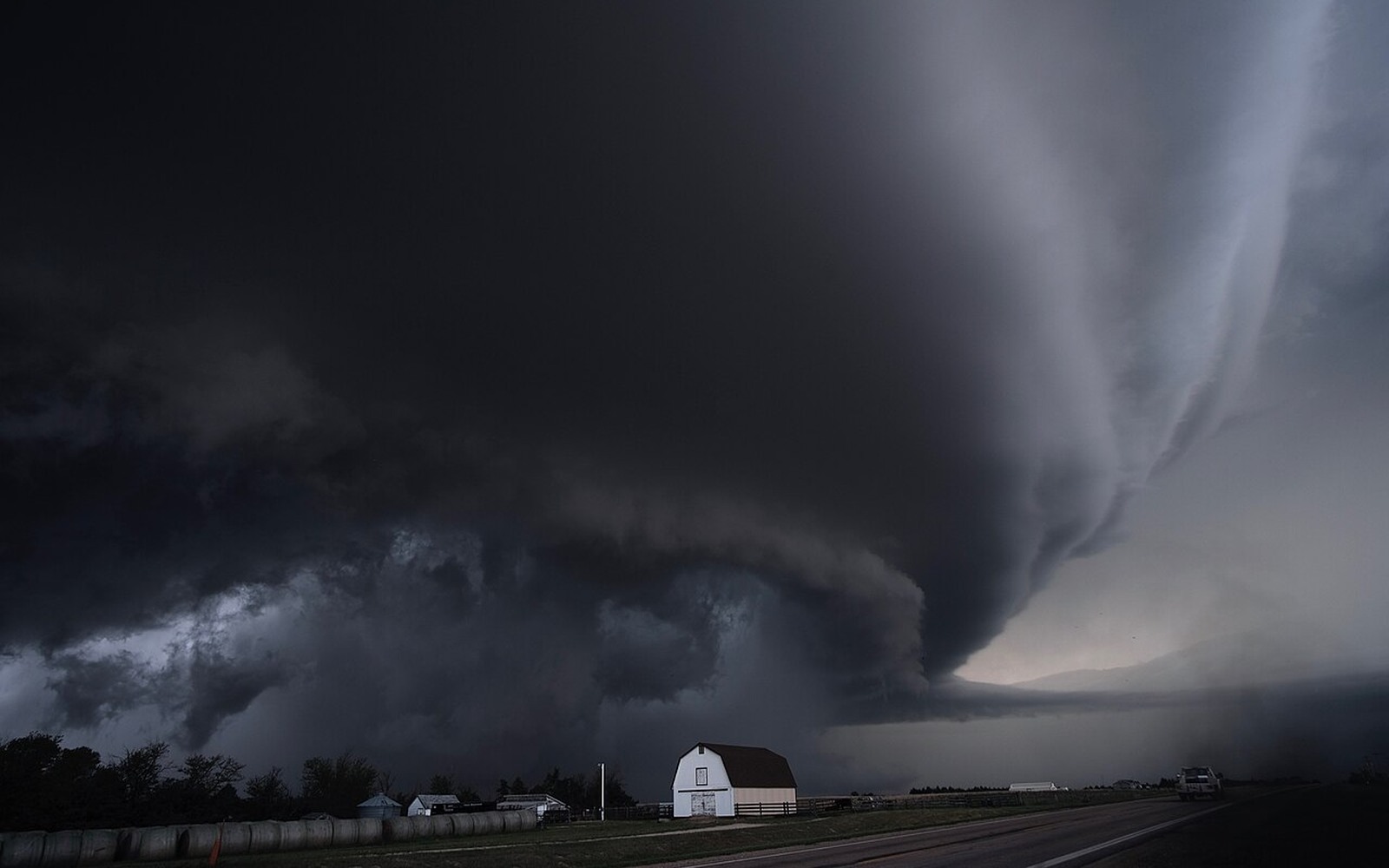
Historical NOAA/NSSL file photo: A supercell thunderstorm in Kansas, photographed by Mike Coniglio in May 2019. This is not a current watch map or a photograph of today’s alert area. Photo: Mike Coniglio / NOAA National Severe Storms Laboratory (cropped). Source photograph · Public domain.
For current information, check the Storm Prediction Center’s watch page and enter your city or ZIP code at weather.gov. A national search trend cannot establish whether your home, workplace or destination is under an alert.
Check the location and the alert’s time
Begin with the place you need information about, not just the state name in a shared headline. Read the locations covered by the alert, when it was issued, its stated expiration and any newer updates. If you are travelling, check the destination as well as the place you are leaving.
The NWS explanation of tornado alerts notes that watches usually cover a broad region, potentially spanning many counties or more than one state. Warnings typically cover a much smaller area. That is why a screenshot labelled “tornado watch” can be insufficient for making a decision about one particular address.
Use a watch to prepare, and a warning to act
During a watch, review the shelter plan with the people around you. Make sure you know which room or building to use and how to reach it. Check that your method of receiving official weather updates is available and working.
If a warning is issued for your location, move promptly to shelter. The NWS advises using a sturdy building’s lowest floor and choosing an interior room away from windows. Avoid delaying to film the storm or look for a visible funnel; a radar-indicated warning already requires action.
The timing matters. Figuring out where a shelter is while conditions are still manageable is a different task from trying to make those decisions once a warning has arrived.
Choose the shelter before you need it
The NWS guidance for a tornado identifies a basement, safe room or interior room as options at home. At work or school, follow the established tornado shelter plan and avoid large open spaces such as gymnasiums and auditoriums.
Mobile homes, tents and sheds are not safe tornado shelters. If you are in one of those settings, identify a substantial building you can reach while there is time to do so. A vehicle also provides inadequate protection during a tornado; the NWS recommends reaching the closest suitable shelter when possible.
Keep monitoring official updates, including local broadcasts or NOAA Weather Radio. Once you have reached safety, use current alerts to follow the situation rather than treating the age of a social-media post as an indication that the danger has passed.
Read more practical weather coverage in Taken Social’s News section.