November offers an invitation to learn from Native communities through their histories, creative work and present-day experiences.
Native American Heritage Month begins November 1, and the most worthwhile place to start is with Native people speaking for themselves. A reading list, exhibition or public programme becomes more useful when it identifies whose story is being told and who is telling it.
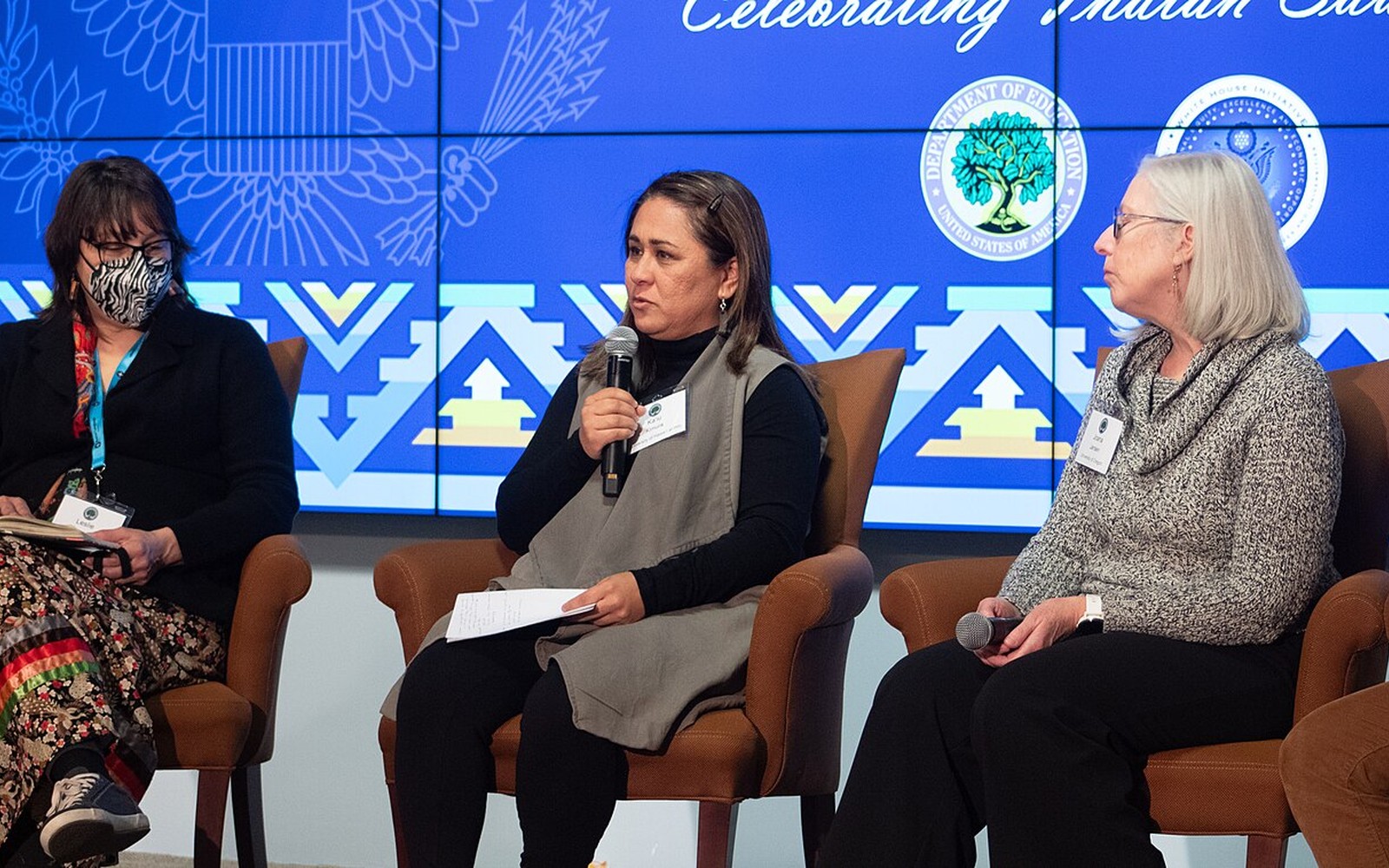
File photo: A Native American Heritage Month event on November 28, 2023; not a 2026 event photograph. Photo: US Department of Education. Source photograph · CC BY 2.0.
The federal heritage-month website, hosted by the Library of Congress, brings together resources from national cultural institutions. Its 2026 selection ranges from contemporary Indigenous art to veterans' oral histories, giving the month a scope that extends well beyond a single image of the past.
Look for specific people, places and nations
Native communities have distinct histories, governments, languages and traditions. Identifying a particular nation or artist helps a reader understand a work on its own terms. A general label can be a starting point, but it should lead toward greater specificity.
That approach also improves the questions we ask. Who created this account? What community does the person identify with? When was the material recorded, and what was happening then? Those details matter whether the source is a museum label, a photograph or a classroom handout.
The Smithsonian's Native Knowledge 360° offers lessons and resources intended to improve how Native histories and cultures are taught. For families and educators, its structured materials provide a way to build a discussion around evidence and perspective instead of assembling disconnected facts from a search feed.
Make room for contemporary creative work
The national heritage-month site highlights Alaskan artist Sonya Kelliher-Combs and connects readers to a Library of Congress guide to Indigenous American artists. It also points to Smithsonian exhibitions, events and recordings. These are useful routes into individual bodies of work, rather than a suggestion that one artist can represent every Native experience.
When choosing something to read or watch, spend time with the creator's own explanation. Notice how materials, place and family experience shape the work. Follow the institution's links to the artist or community where available, and distinguish a curator's interpretation from the artist's words.
This can be a manageable November project: choose one exhibition or recorded conversation, learn about its creator and return for a second look. Depth often comes from staying with a work long enough to revise a first impression.
Turn interest into an ongoing habit
For an in-person event, check the host's current schedule, admission information and guidance about photography or participation. Follow the community's instructions rather than treating every gathering as a public performance. If buying art or books, look for clear information about the maker and seller.
November can open the door to a year-round reading practice, museum membership or engagement with local Native-led organizations. The strongest observance leaves a person with more specific knowledge, better sources and someone whose work they want to keep following. Explore more cultural coverage in Taken Social's Lifestyle section.