Energy drinks and stimulant supplements appeared disproportionately often in FDA reports of serious heart problems, according to preliminary research the American Heart Association released on November 2. Adults ages 18 to 34 accounted for about 45% of the reports that linked those products to cardiovascular events. The researchers compared reports about products, so the results cannot show how likely any one person is to have a heart problem after drinking a can. American Heart Association research release
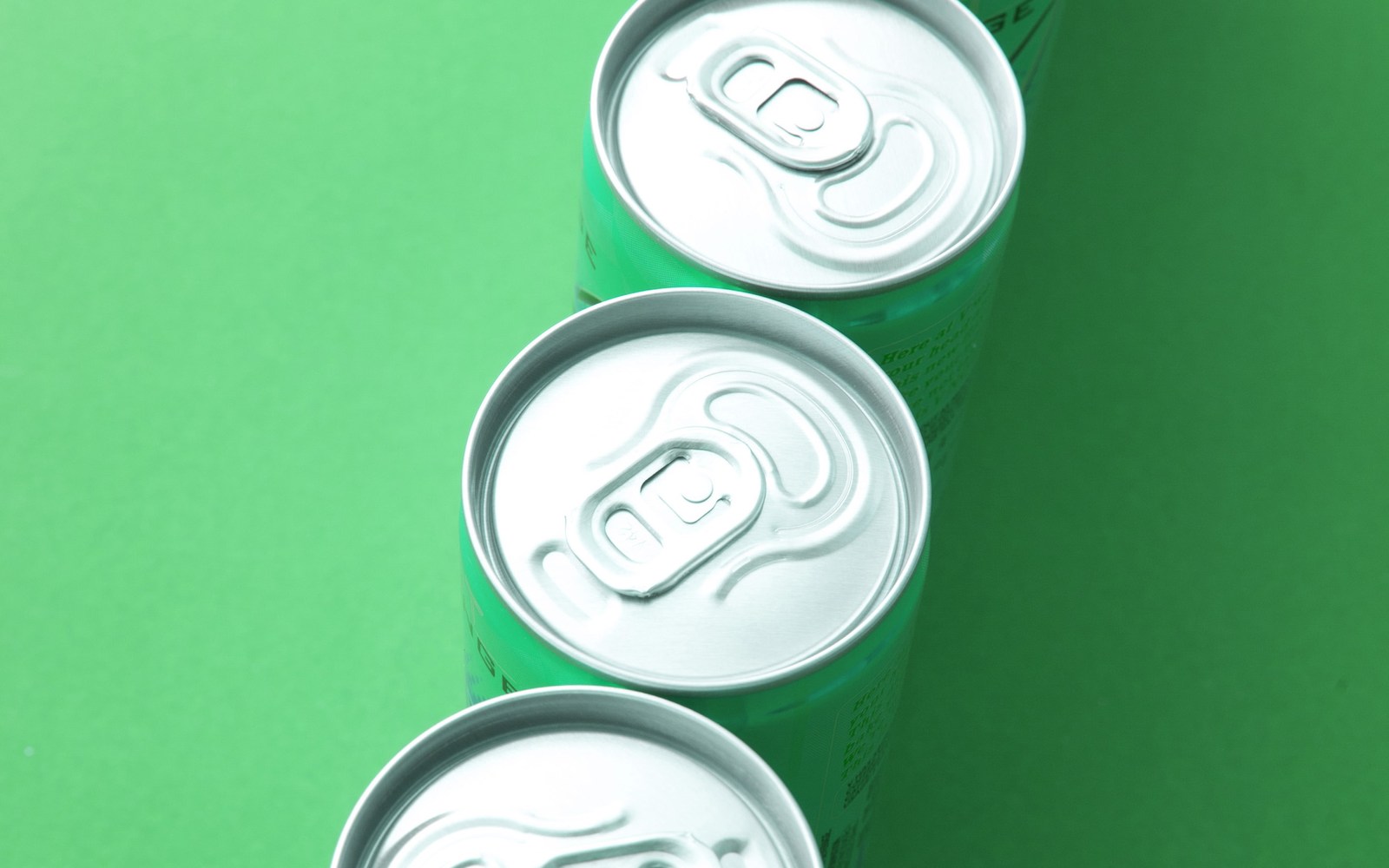
Illustrative photograph of energy drink cans. The study grouped products by ingredients. FreeFoodPhotos · CC BY 3.0 · Cropped.
What researchers found in FDA safety reports
The researchers reviewed 28,345 reports of suspected adverse events from 2017 through 2025 involving people ages 13 and older. Of those, 854 concerned energy drinks or supplements containing caffeine or other stimulants. The other 27,491 involved products without those ingredients. The comparison covered more than canned drinks. It included supplements containing stimulants such as guarana or synephrine. AHA study methods
In that comparison, cardiac arrest was reported about 11 times as often for products containing caffeine or other stimulants. Heart attack reports were about 4.5 times as common. These are comparisons within a collection of safety reports. The researchers had no count of how many people used the products without a problem. Reports also may omit other exposures or medical factors. The findings are from a conference abstract that has yet to undergo journal peer review. AHA abstract summary and limitations
Can energy drinks affect blood pressure and heart rhythm?
Small controlled studies have measured short-term changes. In a 2019 randomized trial, researchers compared two energy drinks with a placebo in 34 healthy volunteers. After 32 ounces of either energy drink, participants had higher blood pressure and a longer QTc interval, an ECG measure related to how the heart resets electrically between beats. The trial measured those changes over several hours. It did not measure the long-term chance of a heart attack or cardiac arrest. Journal of the American Heart Association trial
How much caffeine is in your day?
Start with the amount in the whole can. If a can has two servings, count both when you finish it. Then add coffee, tea, caffeinated soda, energy shots or pre-workout products you take that day. The FDA cites 400 mg a day as an amount generally tolerated by most adults. Sensitivity, medications and health conditions can change how much a person can tolerate. The AHA’s scientific statement advises avoiding high doses such as those found in some energy drinks and shots. For children and teens, the American Academy of Pediatrics advises avoiding caffeine. FDA caffeine guidance · AHA scientific statement · AAP guidance for families
When symptoms need urgent help
Call 911 in the U.S. for possible heart attack symptoms, such as chest pressure or pain, shortness of breath, or discomfort that spreads to the arm, back, neck or jaw. Symptoms can come and go. Seek help right away, even if you’re unsure what’s causing them. American Heart Association emergency guidance