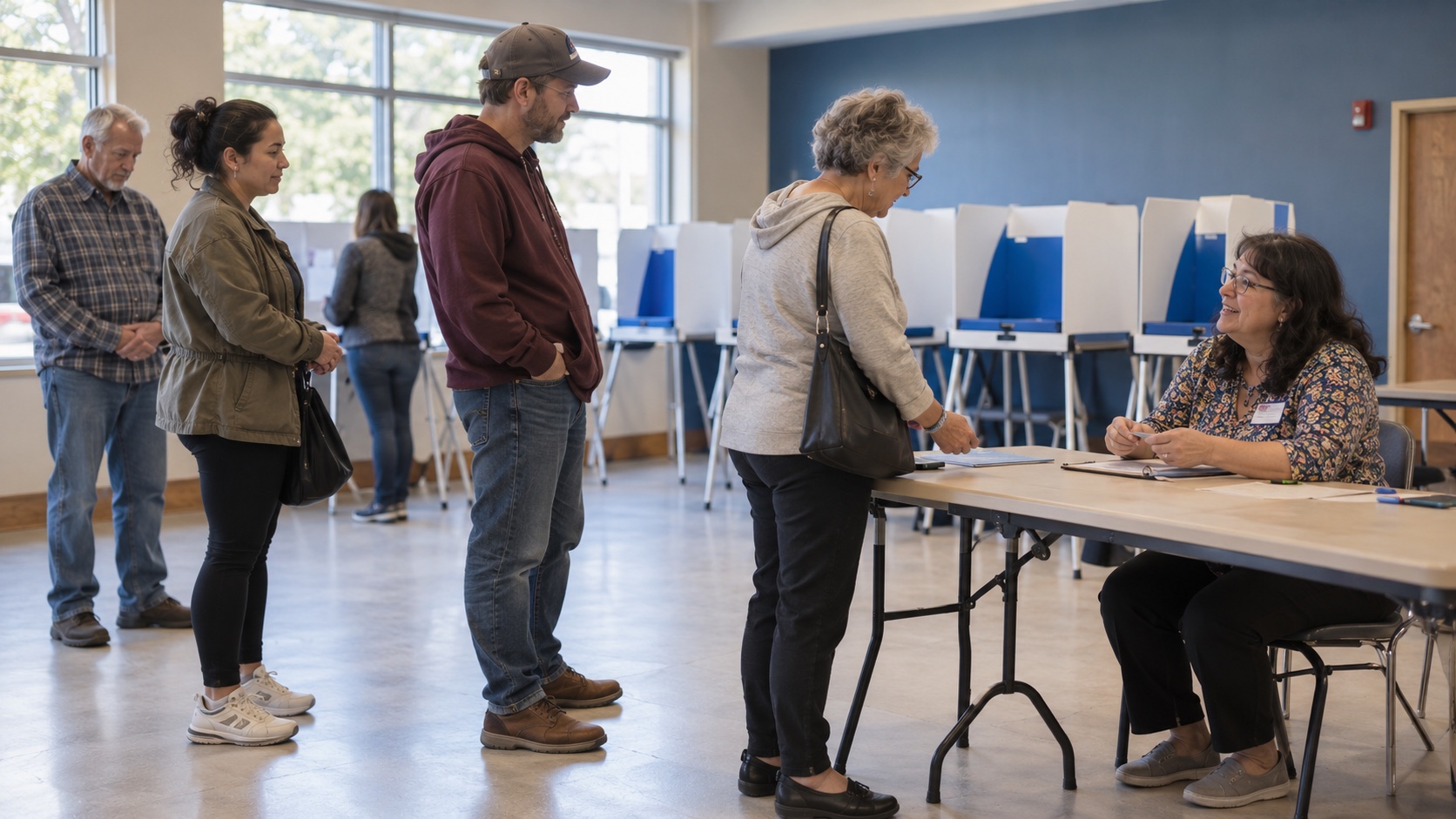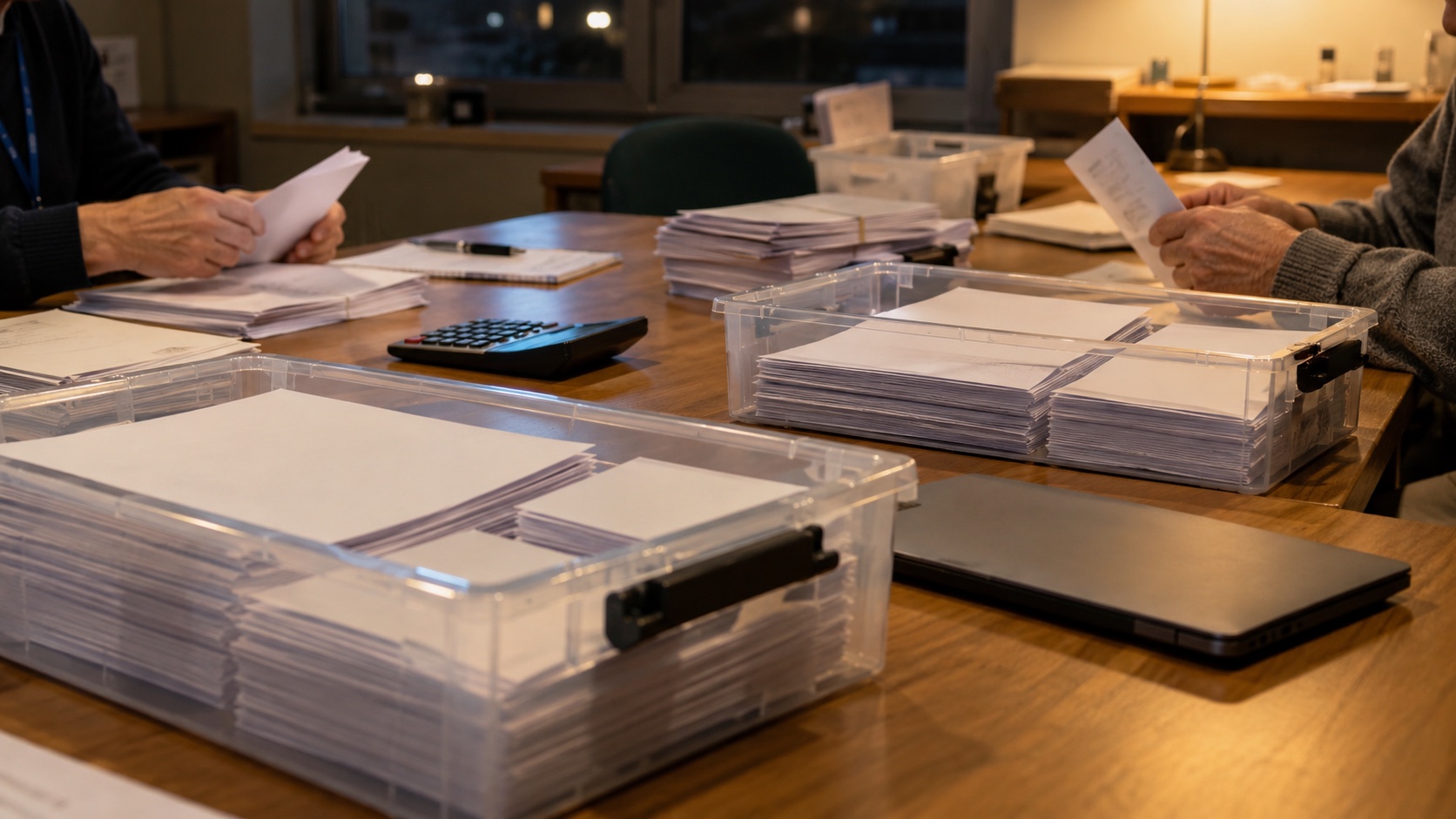
AI-generated editorial illustration; depicts a conceptual scene rather than a photographed news event.
The first numbers on a results page are an update on the count. They are not the end of the election process.
On election night, a percentage can look like a promise. A page marked with every precinct reporting appears to say the work is finished. In fact, the U.S. Election Assistance Commission explains that even those returns remain unofficial. Counting, checking and formally certifying results are related jobs with different endpoints.
That distinction will matter after the November 3 midterms, particularly where the margin is narrow. A useful results page tells readers what has been reported, when it was updated and what remains outstanding. A bare total without that context can invite a conclusion the numbers do not yet support.
Reporting comes before certification
Election-night reporting makes preliminary totals available to the public. The canvass then reconciles and verifies the election's records and accounts for valid ballots under the applicable rules. Certification is the formal step that makes the outcome official. The EAC describes these as stages of a process, rather than interchangeable labels.
Mail ballots, provisional ballots and other eligible ballots may require additional processing. The relevant deadlines and procedures are set by state law. A close contest may also involve a recount. None of that establishes a particular race's outcome in advance; it explains why an early snapshot should not be treated as the certified result.
California shows how long the published timetable can be
California's official November 2026 voter guide says results begin appearing after polls close at 8 p.m. on November 3. Updates continue on election night and in the following days while counties count remaining ballots. The guide says official certified results will be posted by December 11.
That is California's schedule, not a deadline for the rest of the country. It illustrates a point that can get lost in national coverage: a state can explain its post-election work before anyone knows which candidate will benefit from later-counted ballots. Readers should look for their own state's published calendar rather than expect every jurisdiction to finish together.
Three questions make a results update more useful
First, what ballots does this total include? A report from one type of voting or one part of a district may differ from the electorate that remains to be counted. Second, how current is it? A screenshot can keep circulating long after the underlying page changes. Third, is the number preliminary, a news organization's projection or a certified official result?
These questions help separate observations from assumptions. An increasing lead is a change in the reported count. An explanation for that change requires information about the ballots added. An allegation of wrongdoing requires evidence beyond the fact that totals moved.
Keep the official state or county results page open alongside any news coverage you follow. Read update notes before sharing a chart, and preserve the timestamp if you discuss an interim total. When officials correct an error, look for the explanation and revised record instead of comparing unmatched screenshots.
Taken Social will distinguish preliminary information from official outcomes in its Politics coverage. For readers, the same habit is valuable: ask what a number represents before deciding what it proves.
Reporting and source information checked November 1, 2026.